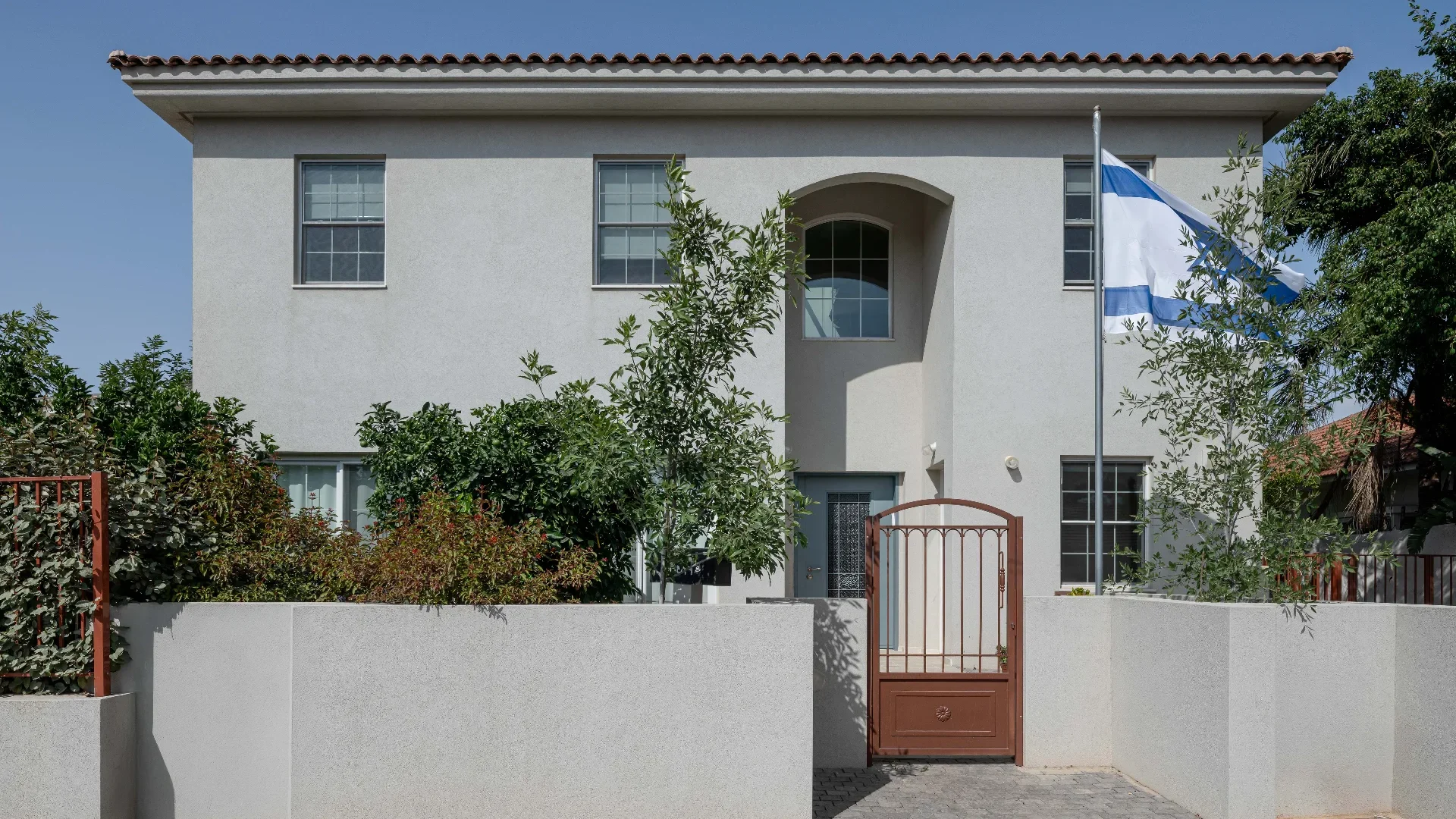
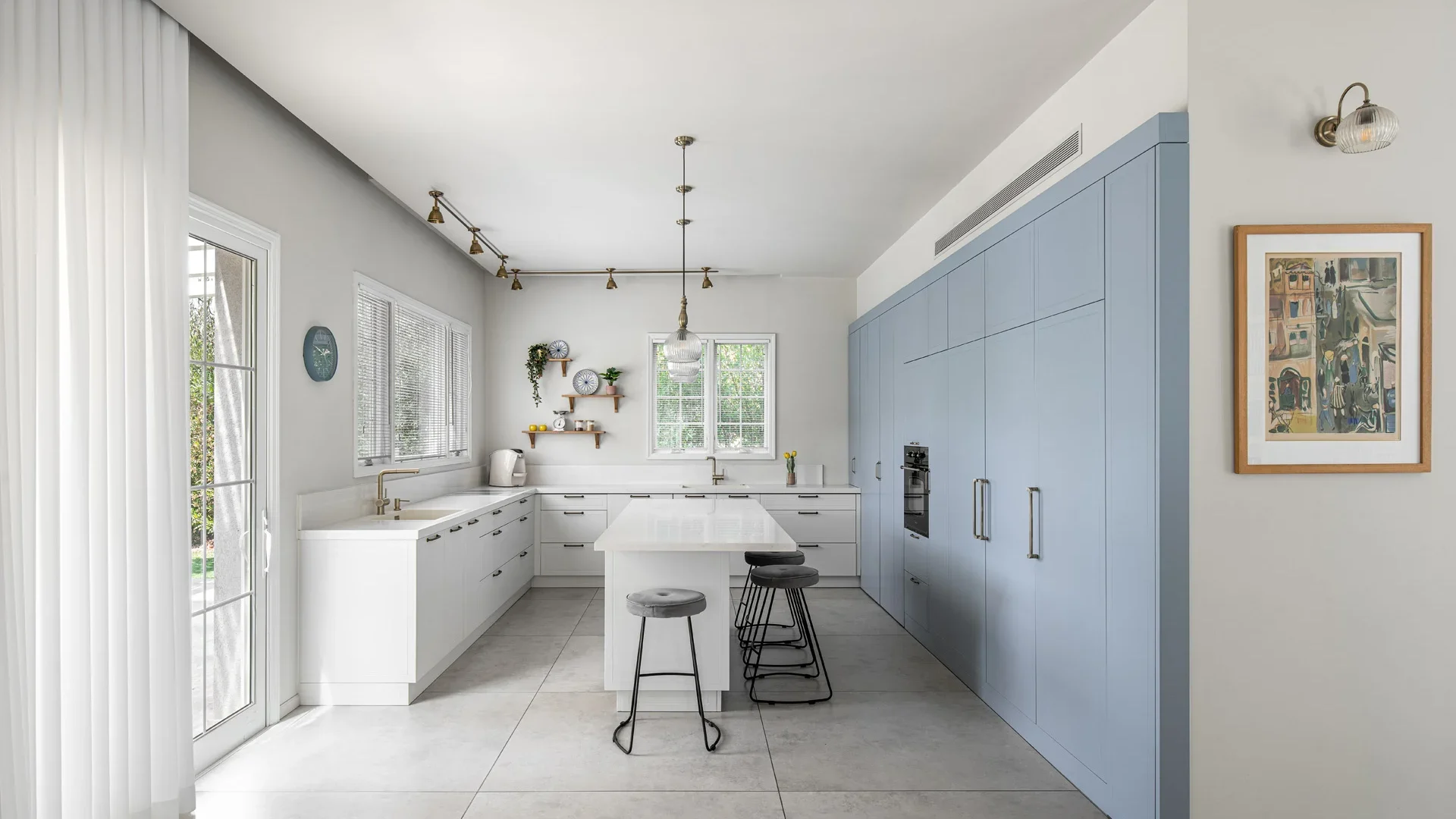
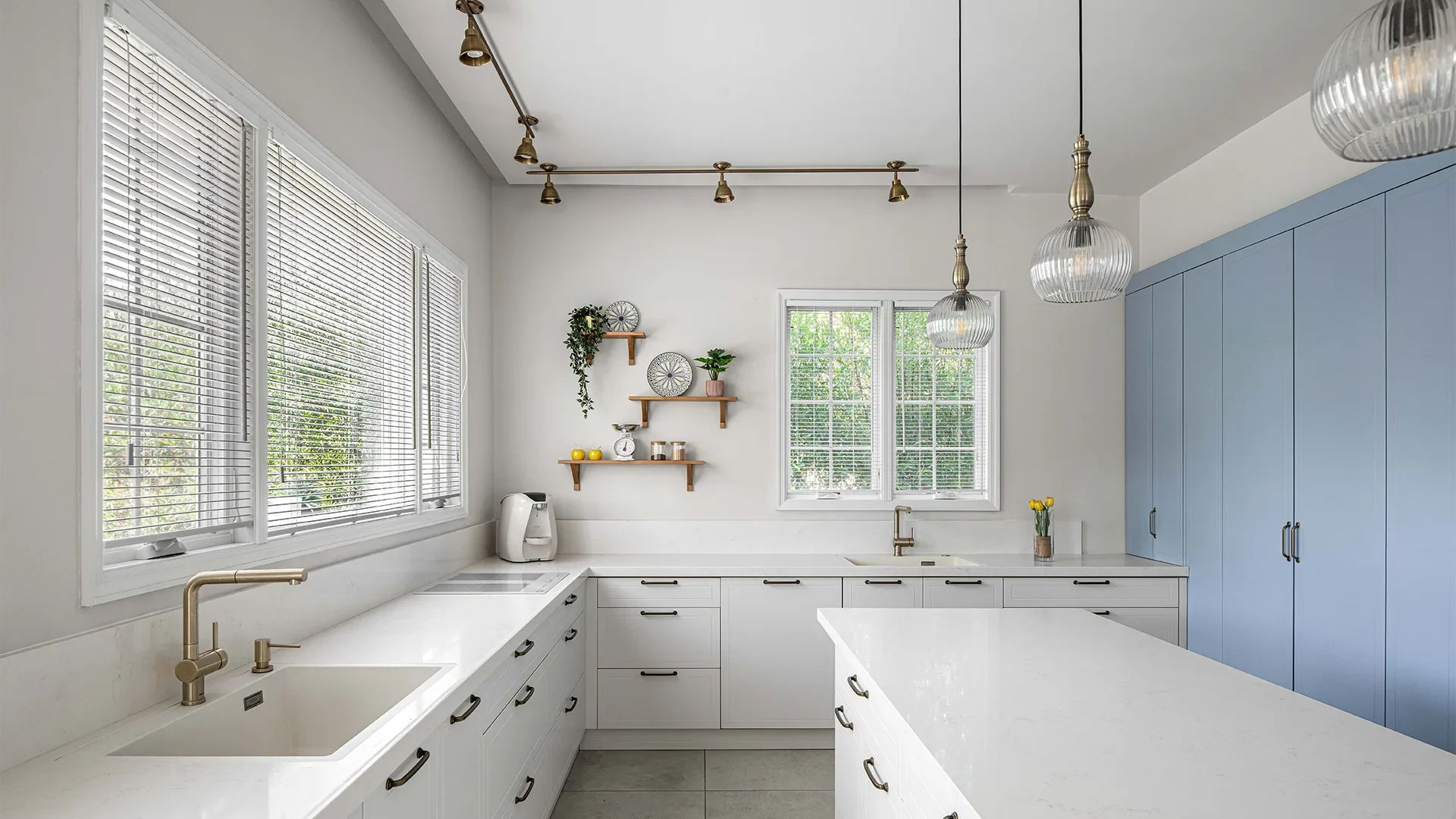
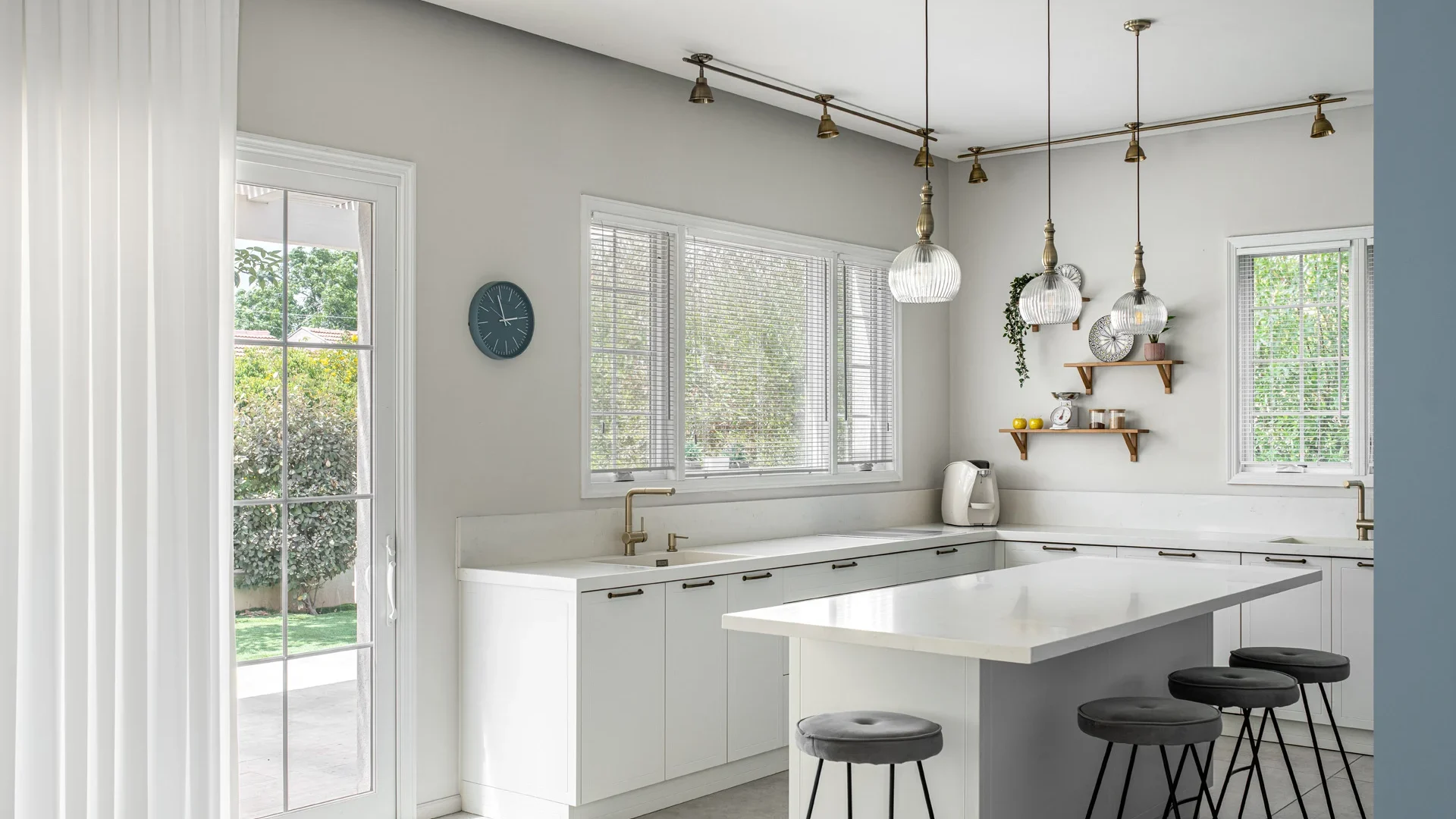
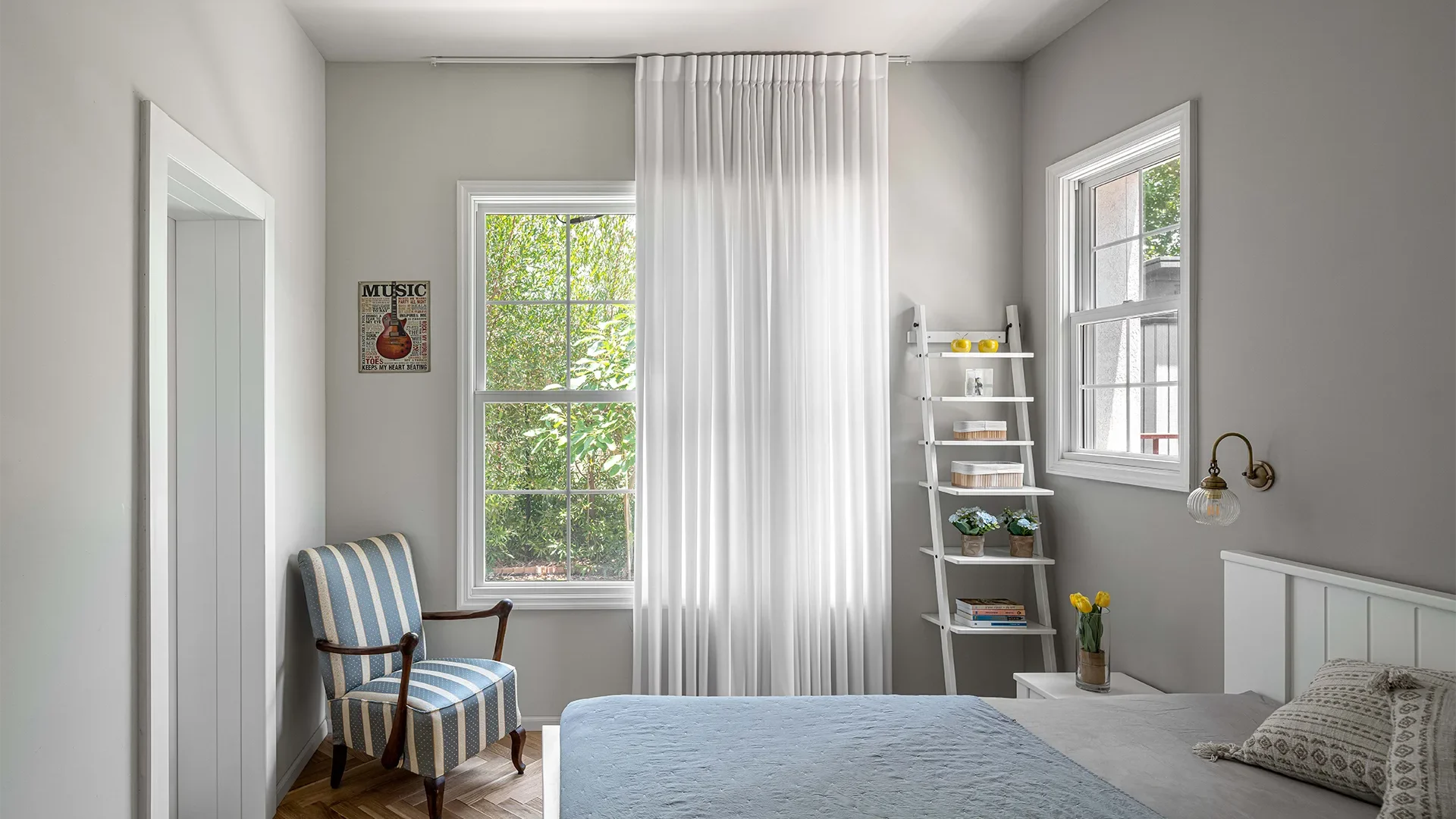
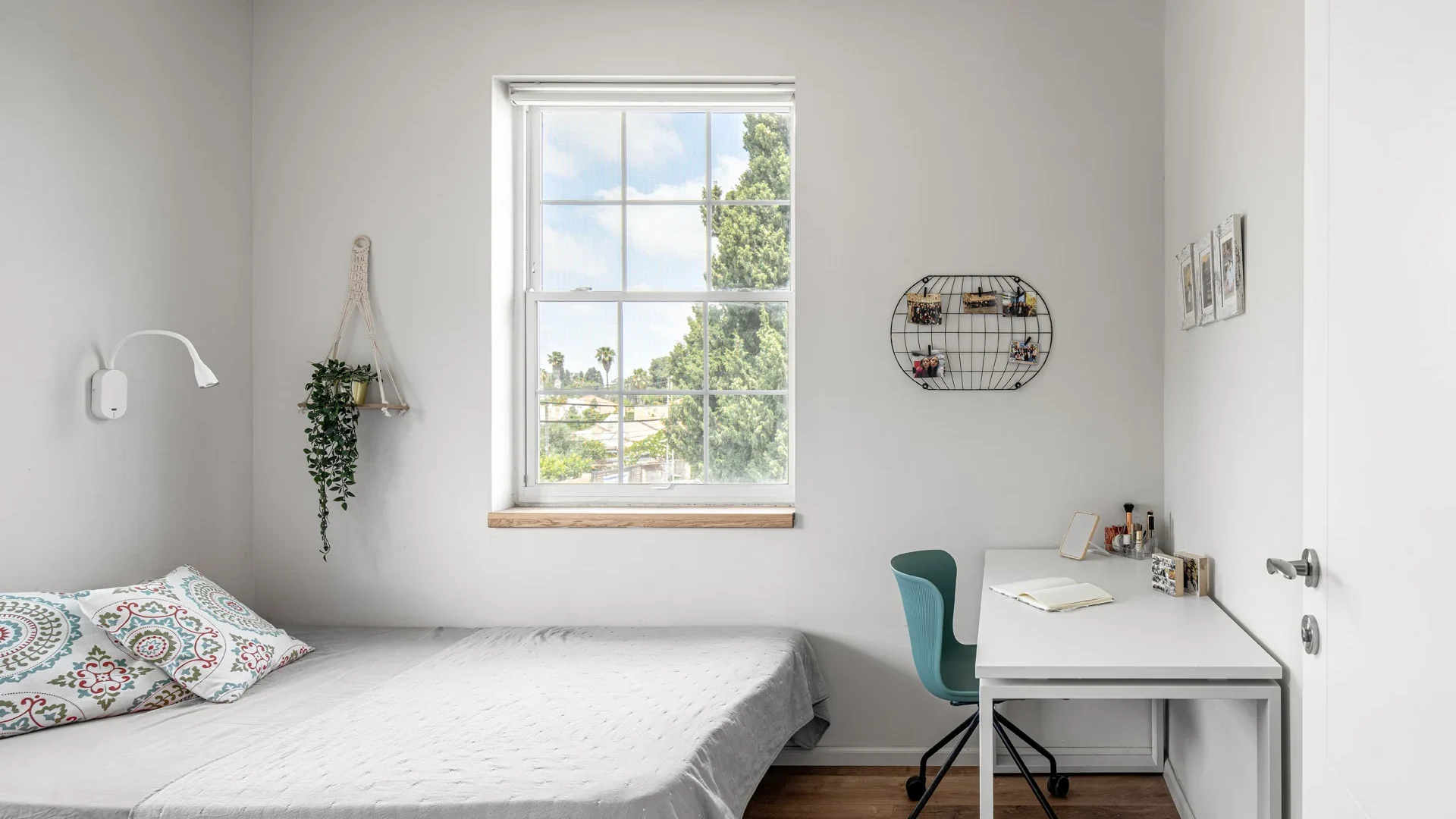
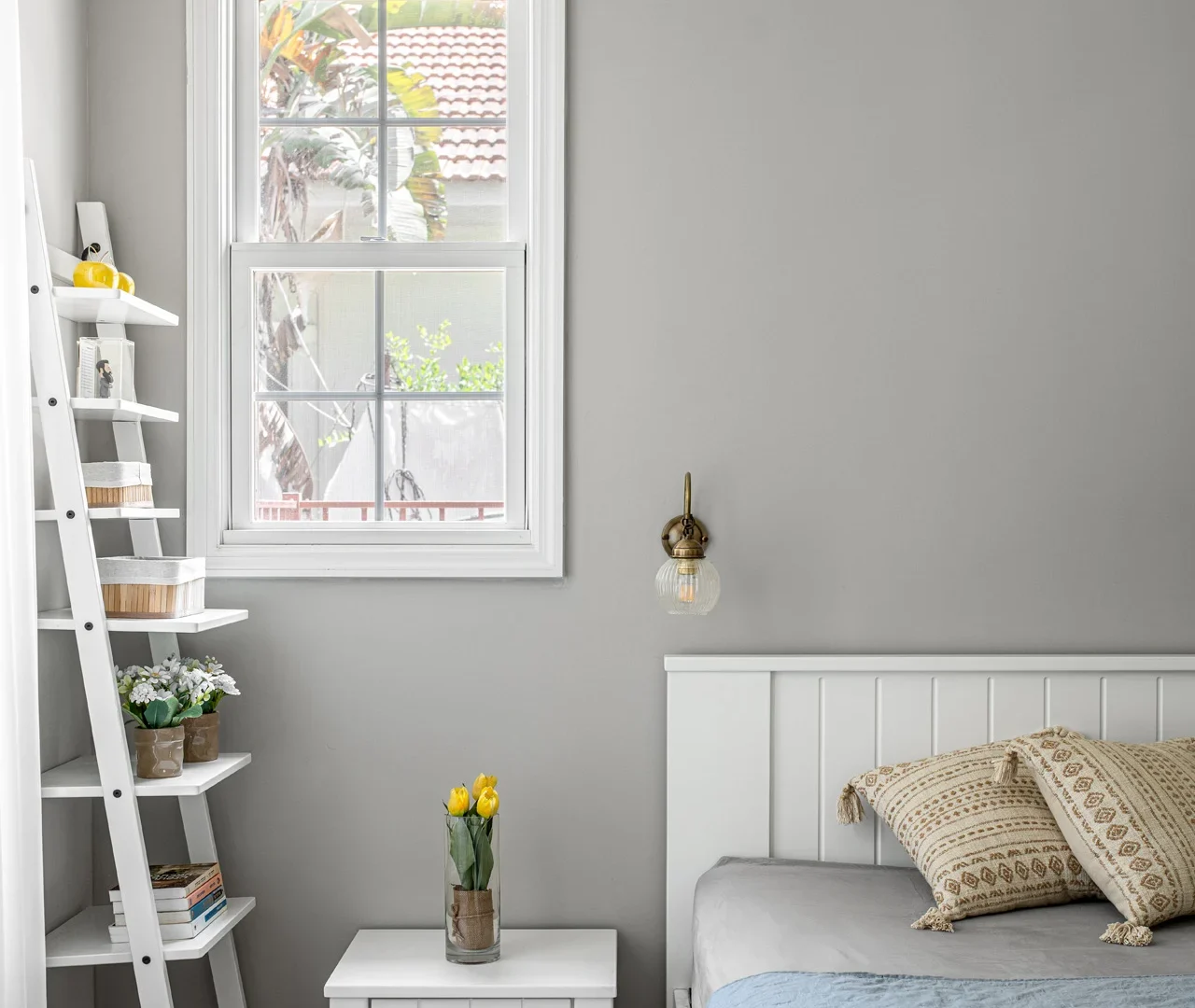
The architectural language of this home lies at the seam between old and new — a dialogue between history and contemporaneity.
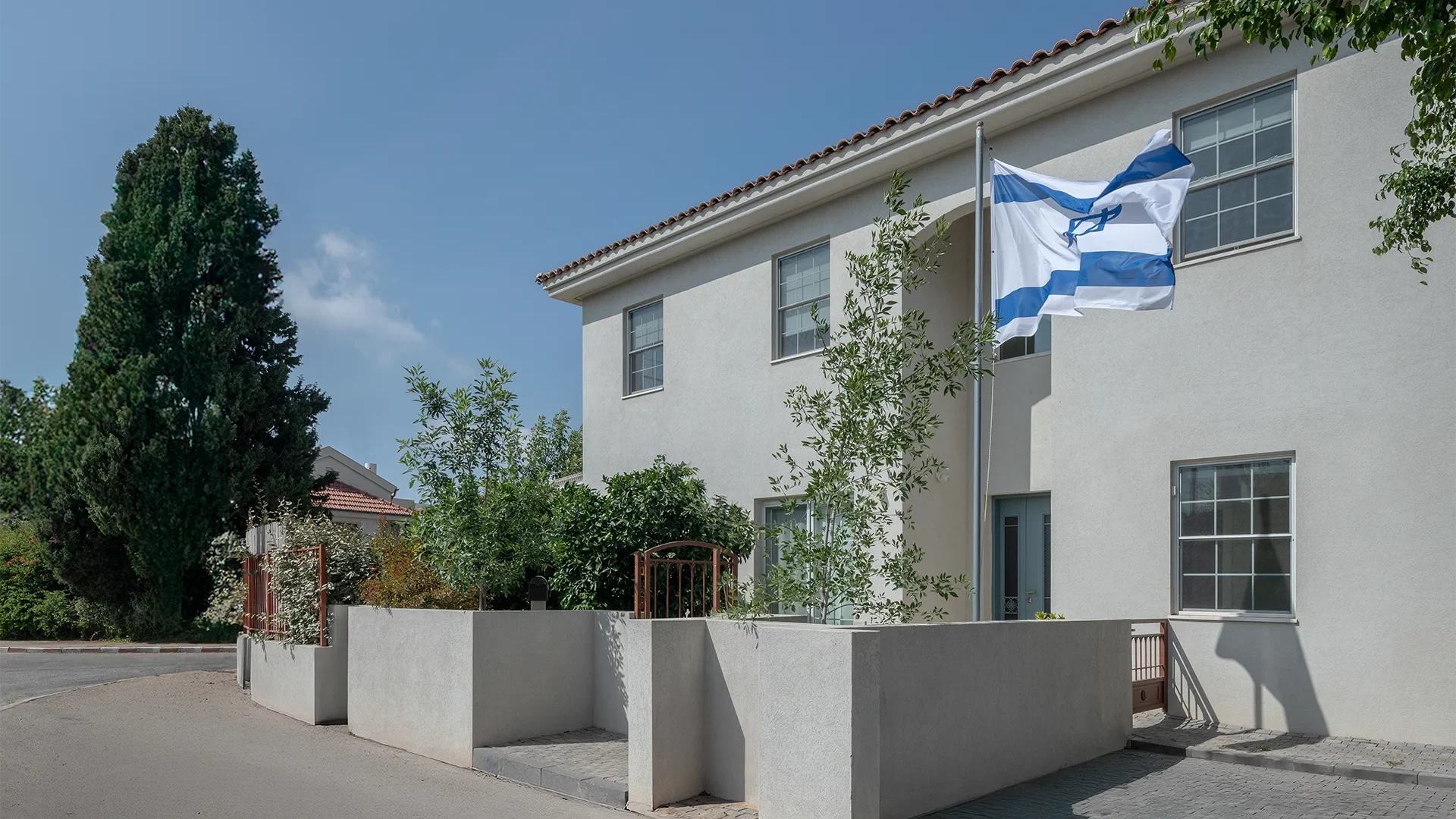
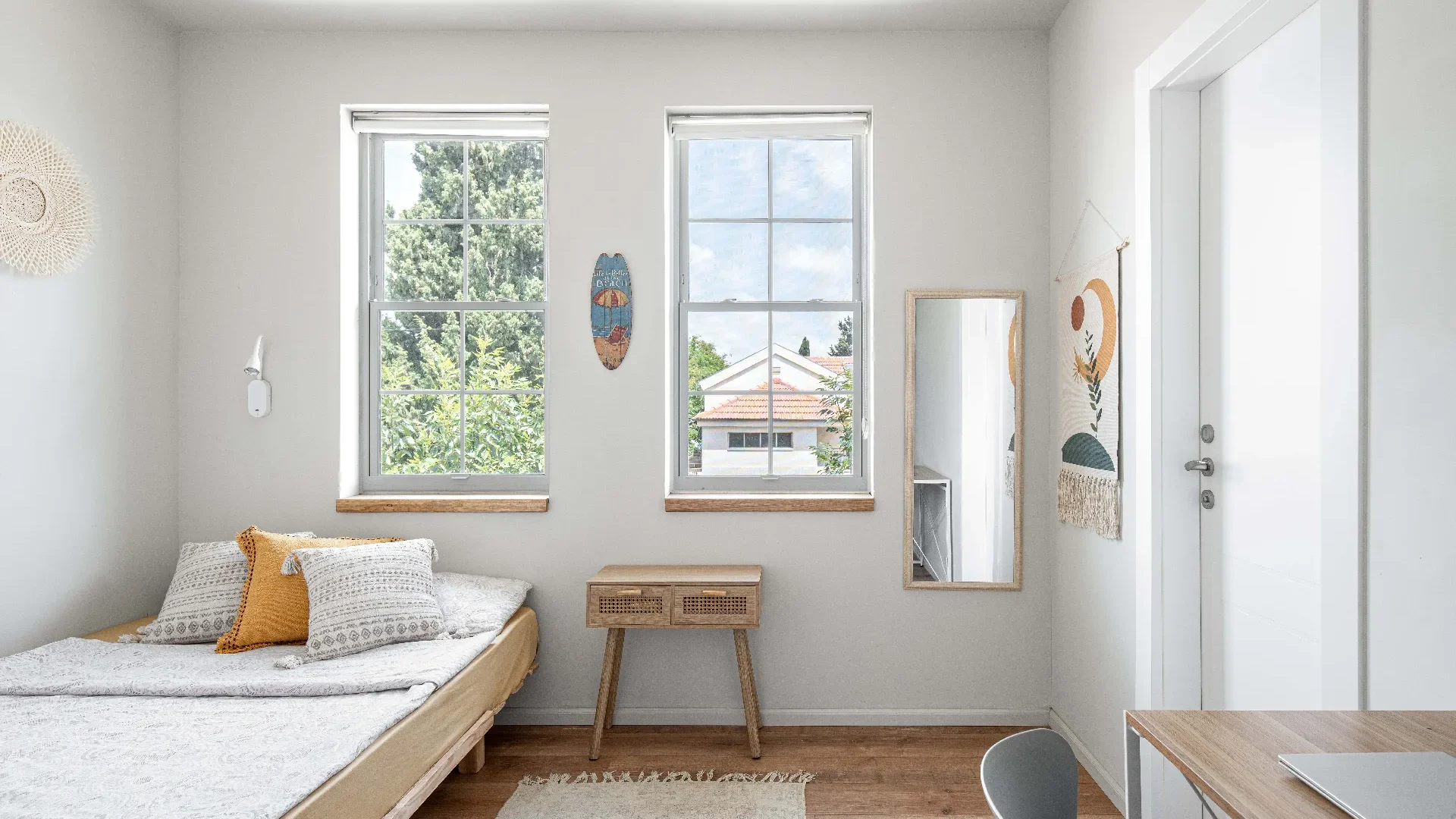
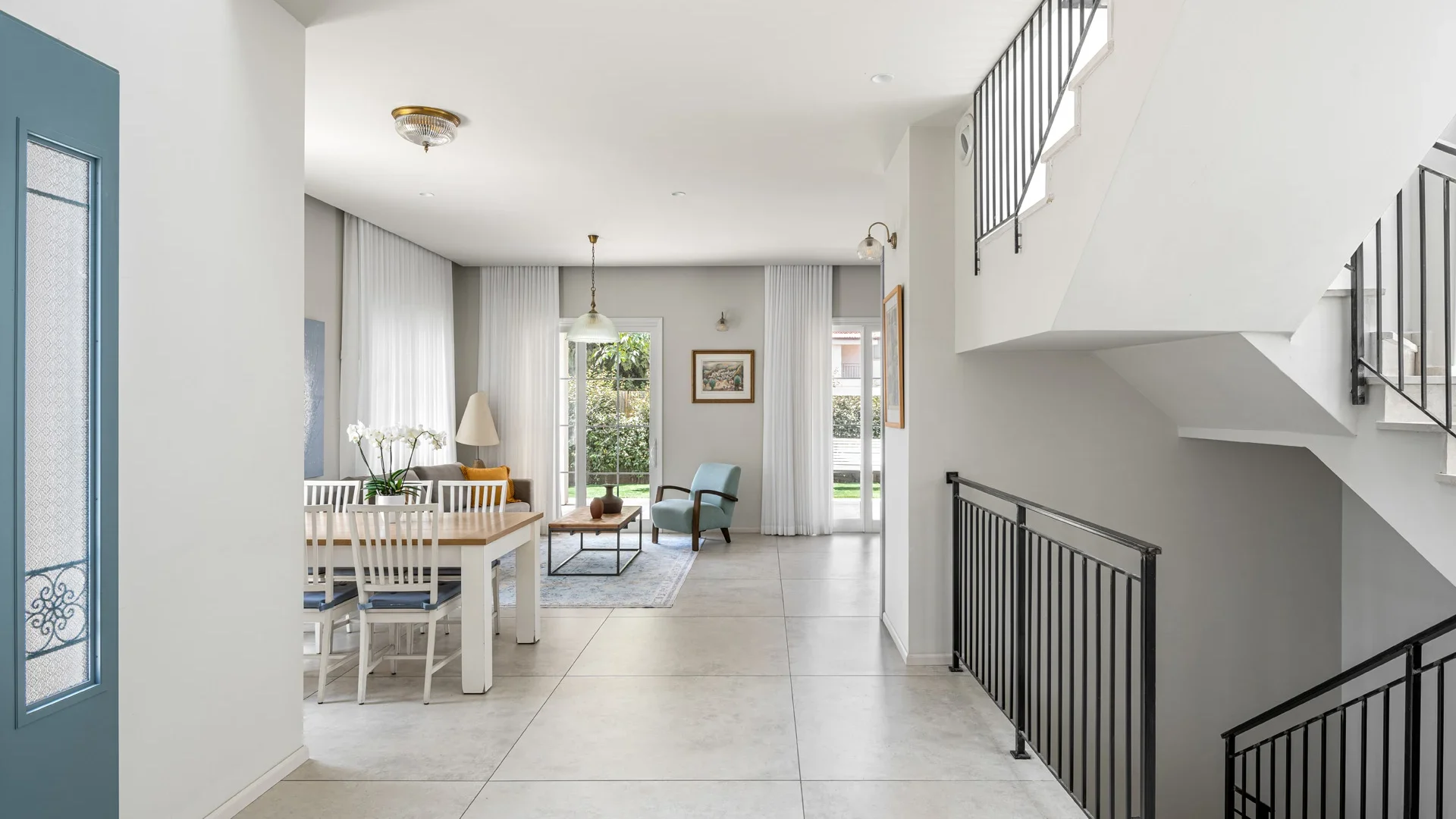
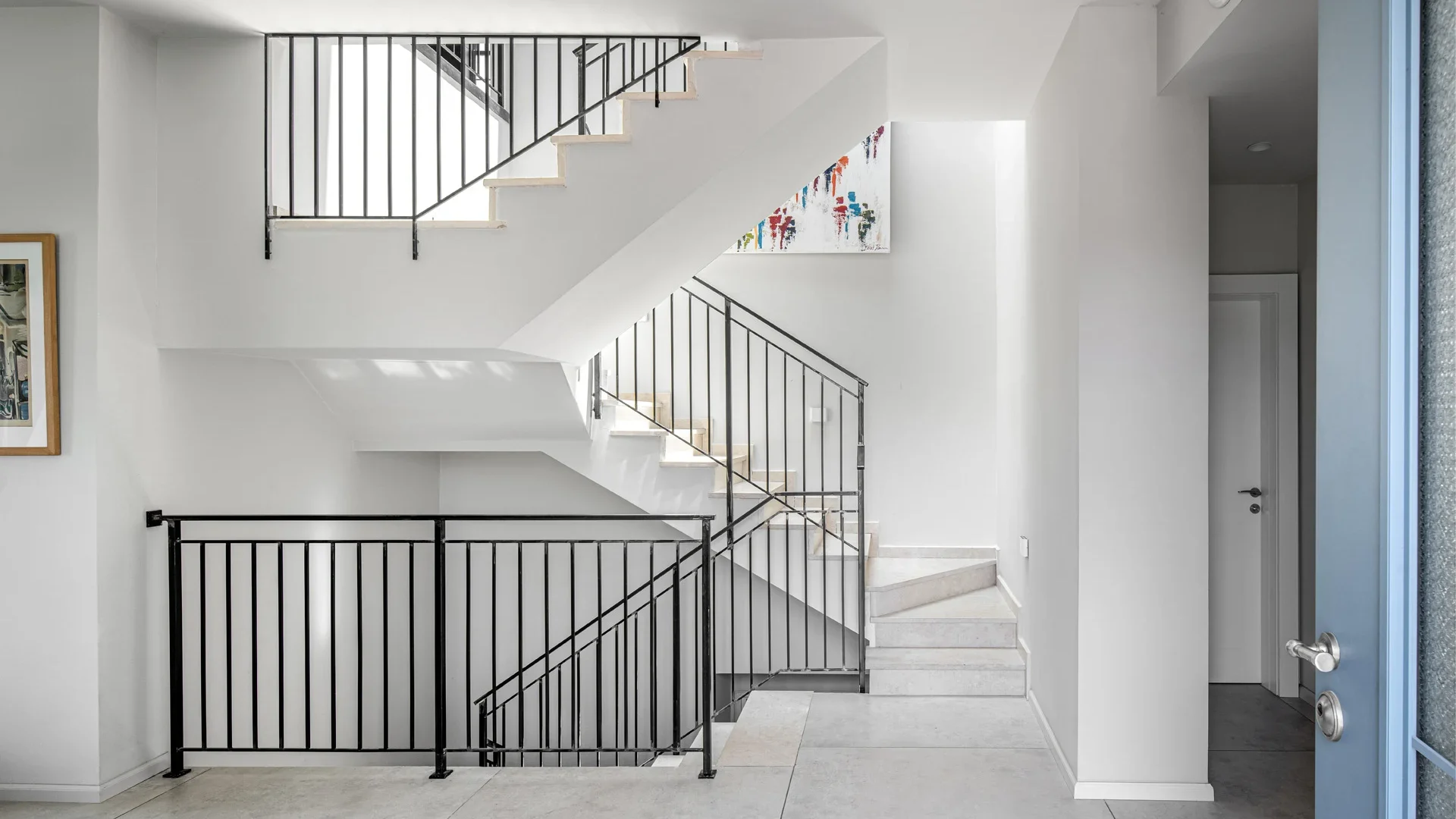
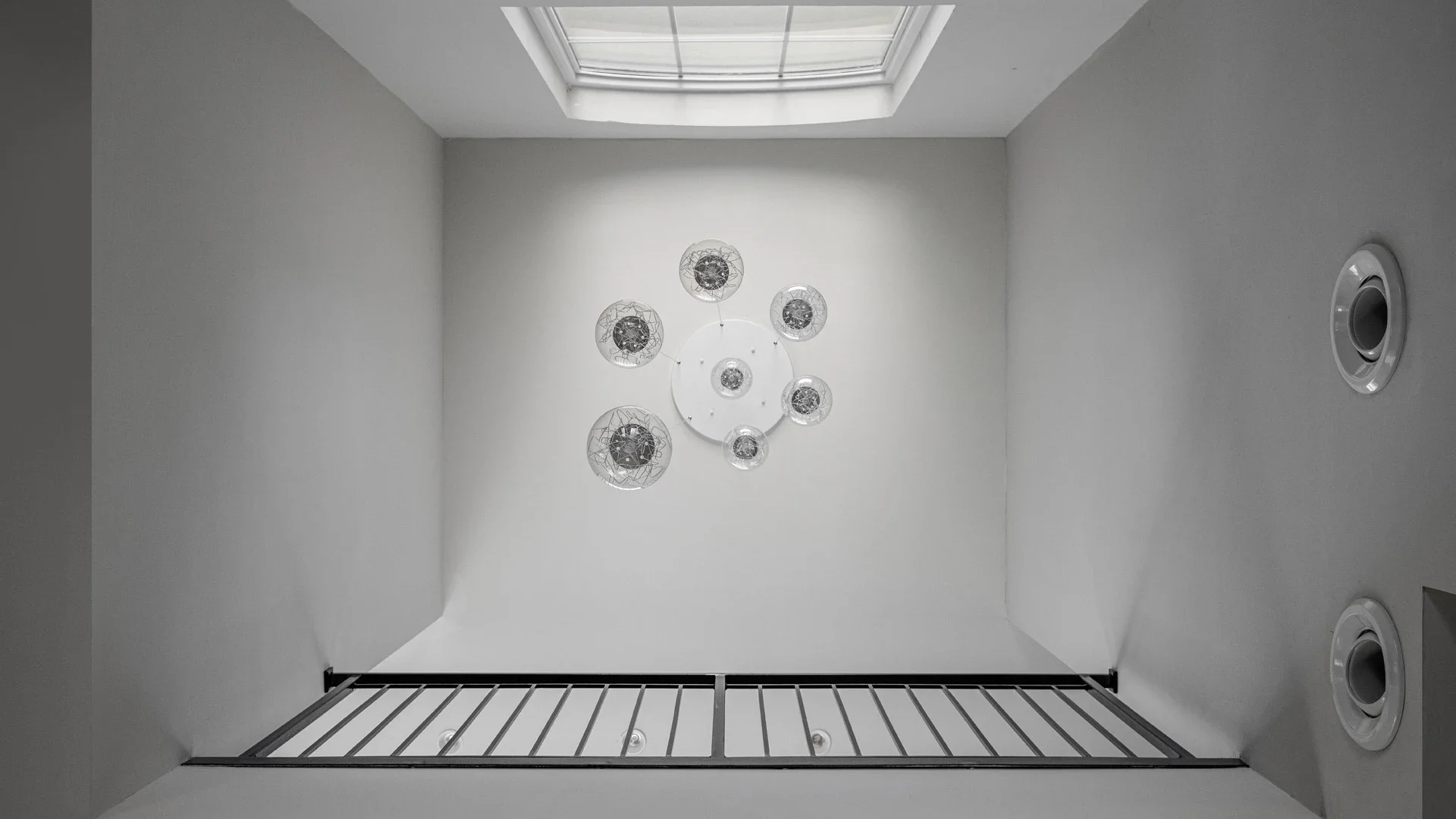
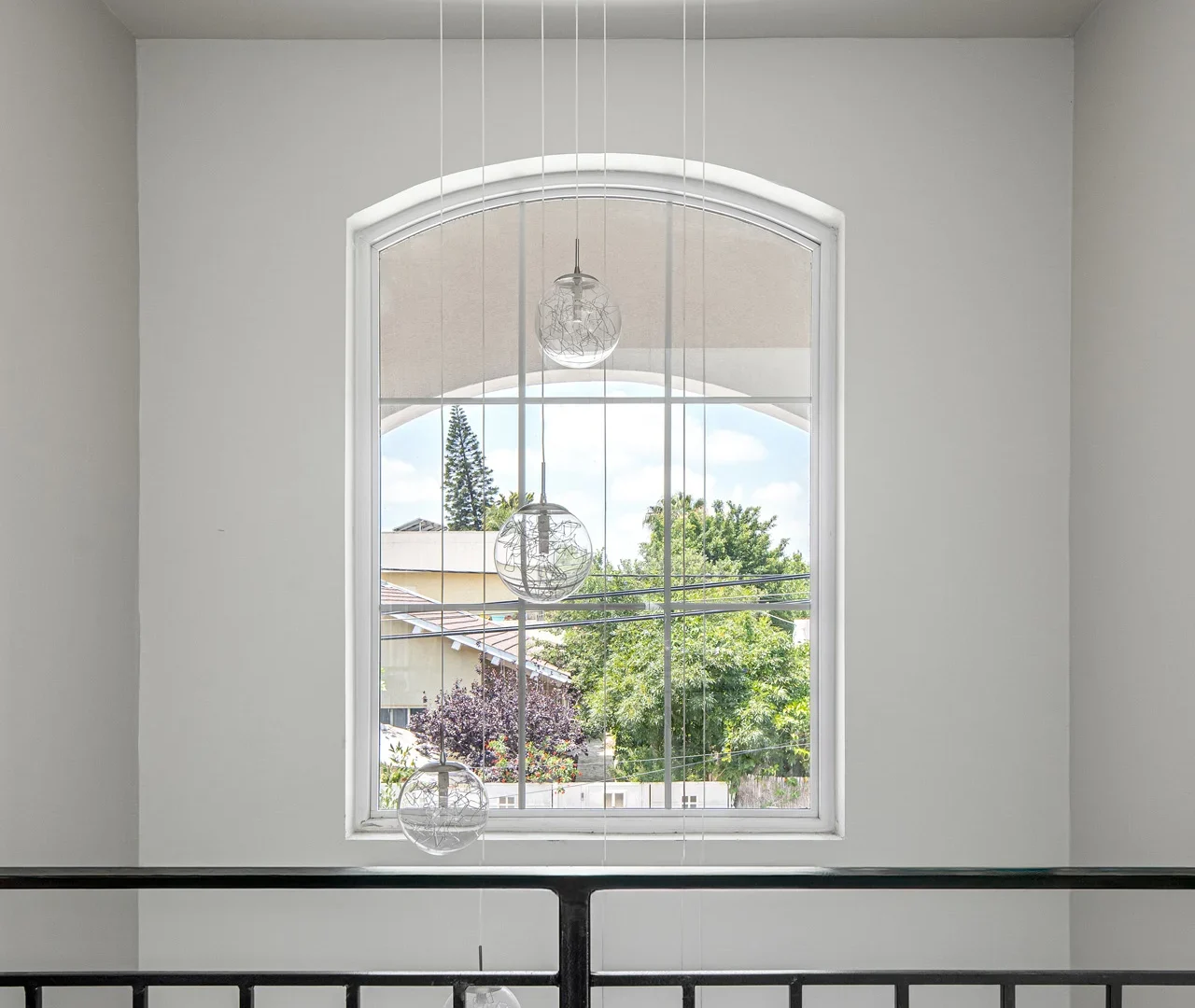
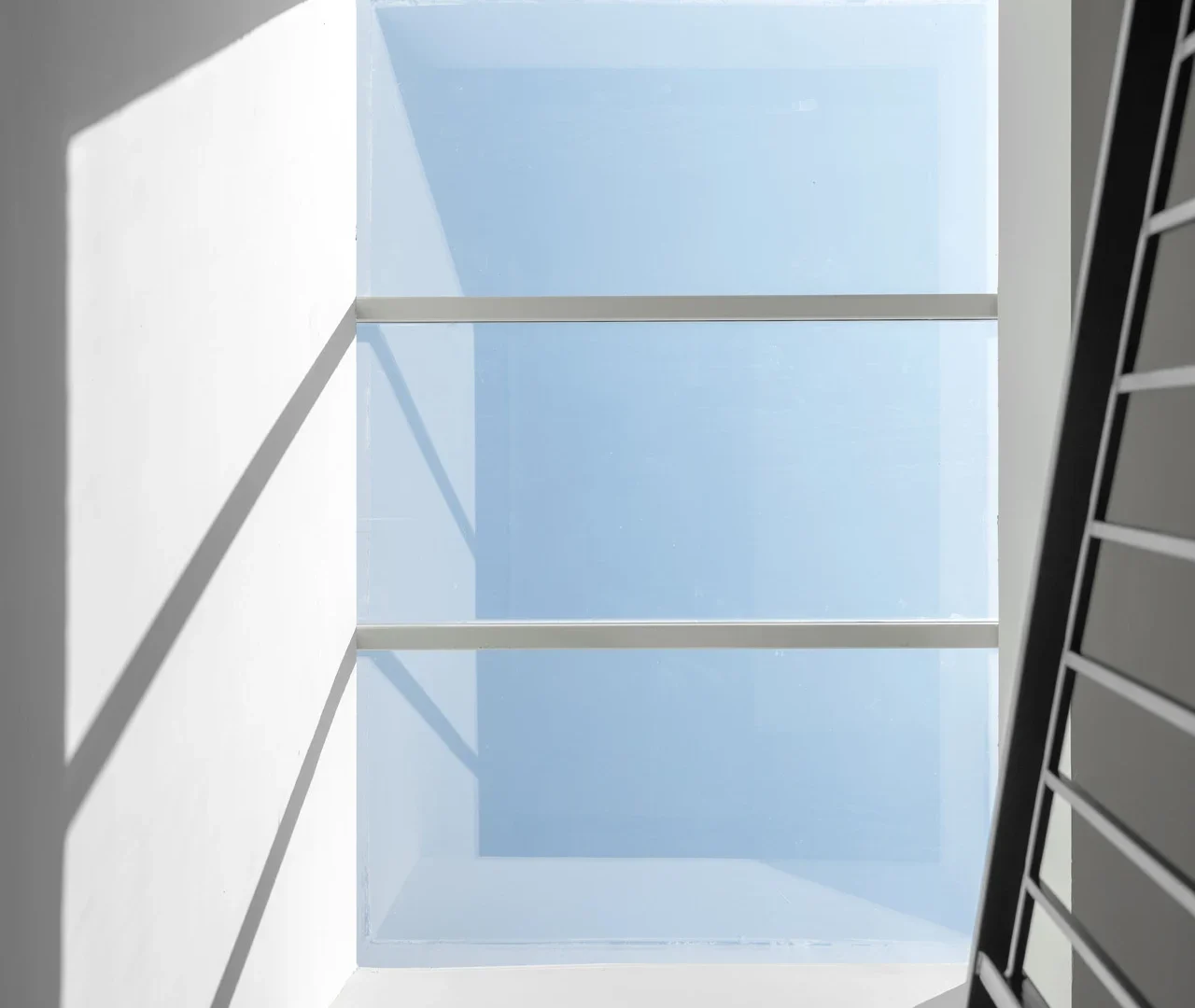
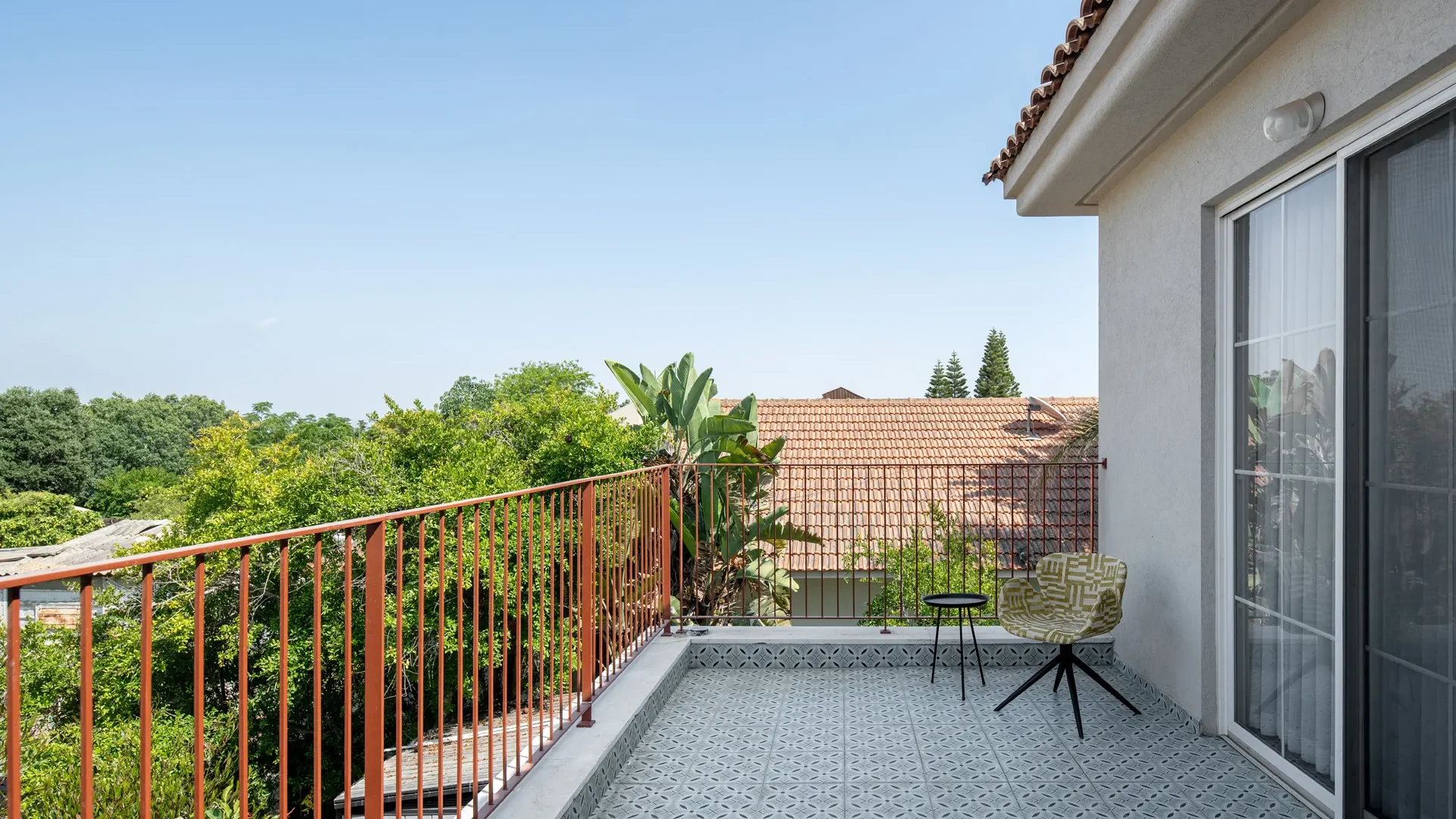
A clean, updated language that leans on classical architectural principles: symmetrical composition, a careful and rhythmic repetition of openings, and a traditional pitched tile roof. The family’s story is one of connection to land, heritage, and country, and the house reflects these values. The entrance path and low boundary wall define the plot without disconnecting it from the public street. The house is spread across two floors and a basement level. A central core with an open staircase and a double-height space above the entrance create a physical and visual vertical connection between the floors. These elements bring in natural light through a west-facing window and a skylight positioned at the center of the ceiling.
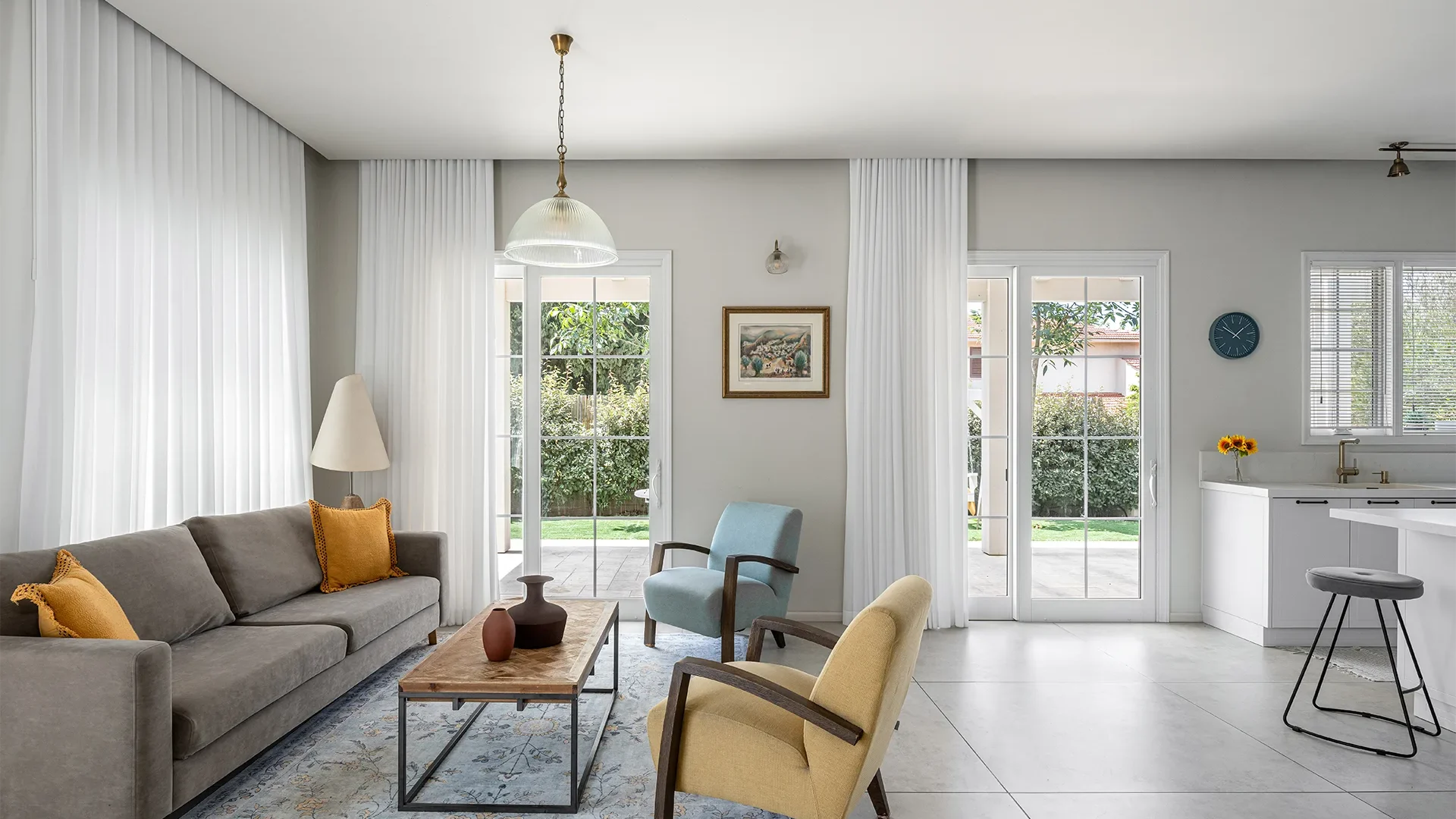
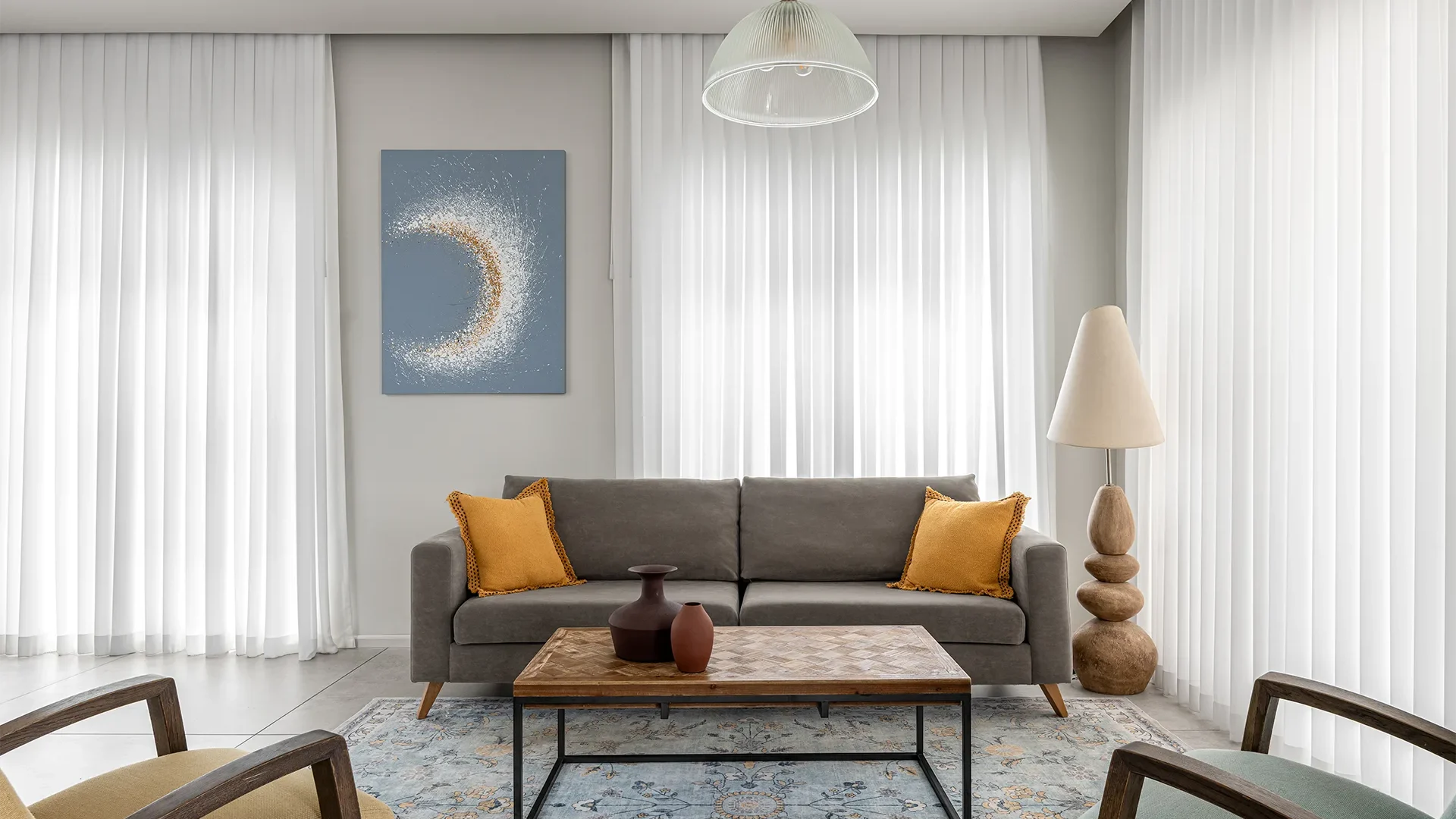
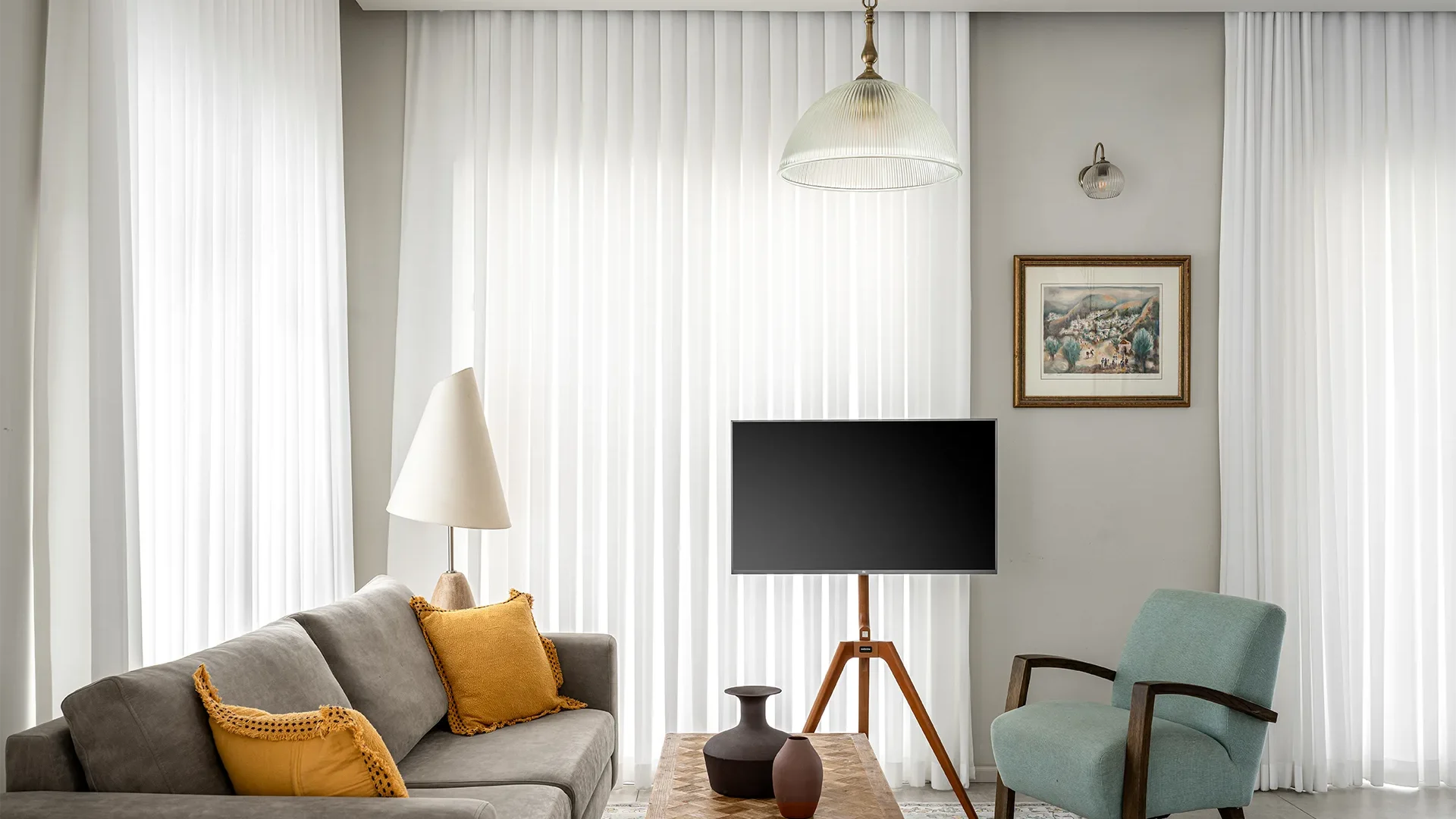
The design maintains modesty and separation in the planning of openings, balconies, and the relationship with the garden, so the outdoor space remains protected and respectful, yet still open and airy. In this home, the living room and dining area are the beating heart — a place that hosts Shabbat meals, holidays, and extended family gatherings. An open space with direct access to the garden allows family, friends, and neighbors to gather comfortably in natural light that fills the home throughout the day. This house succeeds in being both practical and meaningful. It embraces the family’s way of life, holds them and all their guests with warmth, and is tailored precisely to their physical and emotional needs.